
High Rock Ford Historic Trail - Gibsonville, NC
“Sometimes a loss is the best thing that can happen. it teaches you what you should have done next time.” - Snoop Dogg
“Life does not come with instructions on how to live, but it does come with trees, sunsets, smiles, and laughter, so enjoy your day.” - Debbie Shapiro
“Be curious, not judgmental.” - Ted Lasso
Hike at a Glance:
Distance: 2 miles out-and-back
Difficulty: Easy to moderate (can get overgrown during peak summer months)
Terrain: Dirt-packed, rocky, and sandy paths with short switchbacks and leaves covering the trail
Features: Historic ford, 1753 gristmill ruins, Haw River access, and educational markers
Where history flows like the river
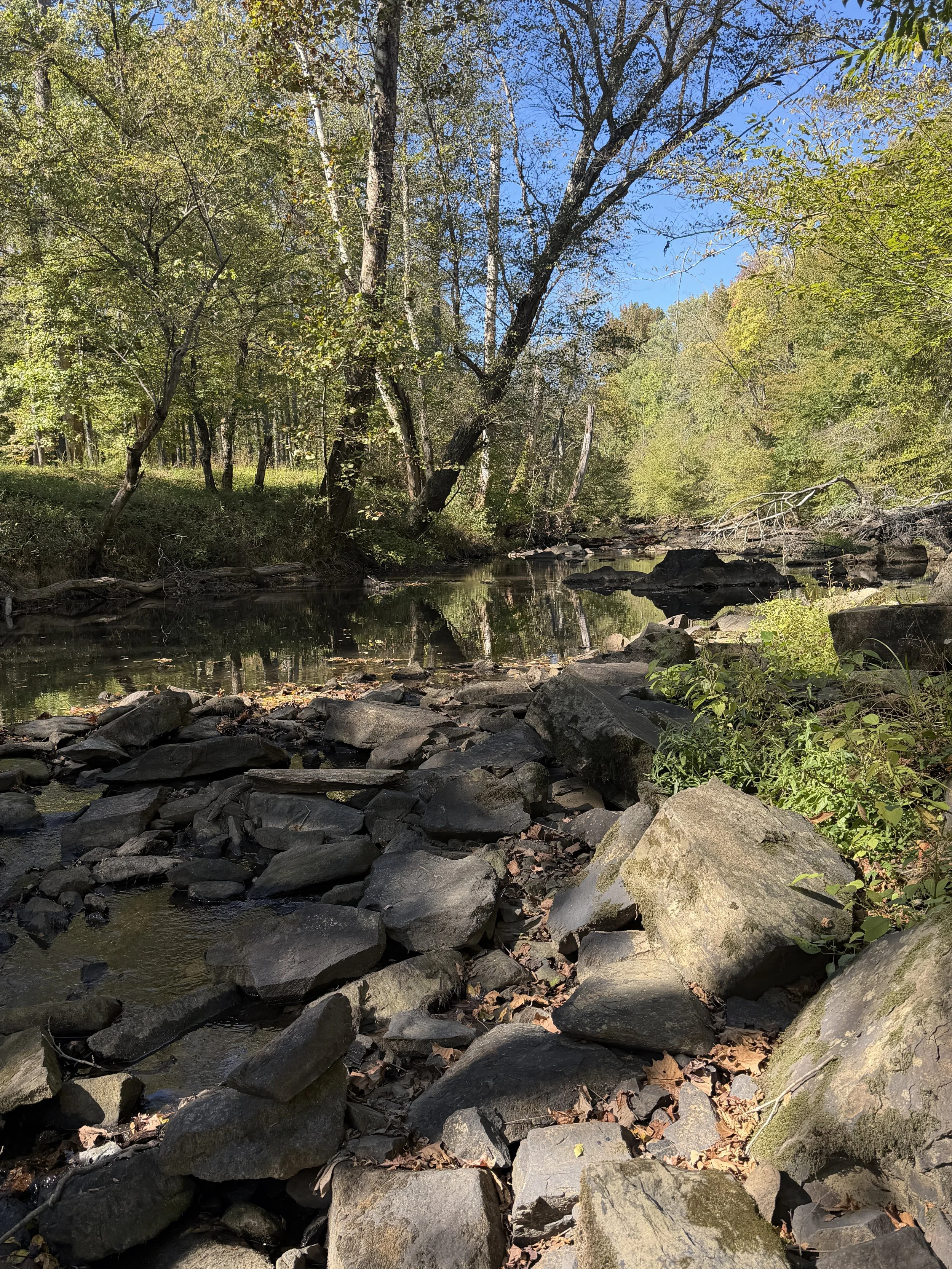
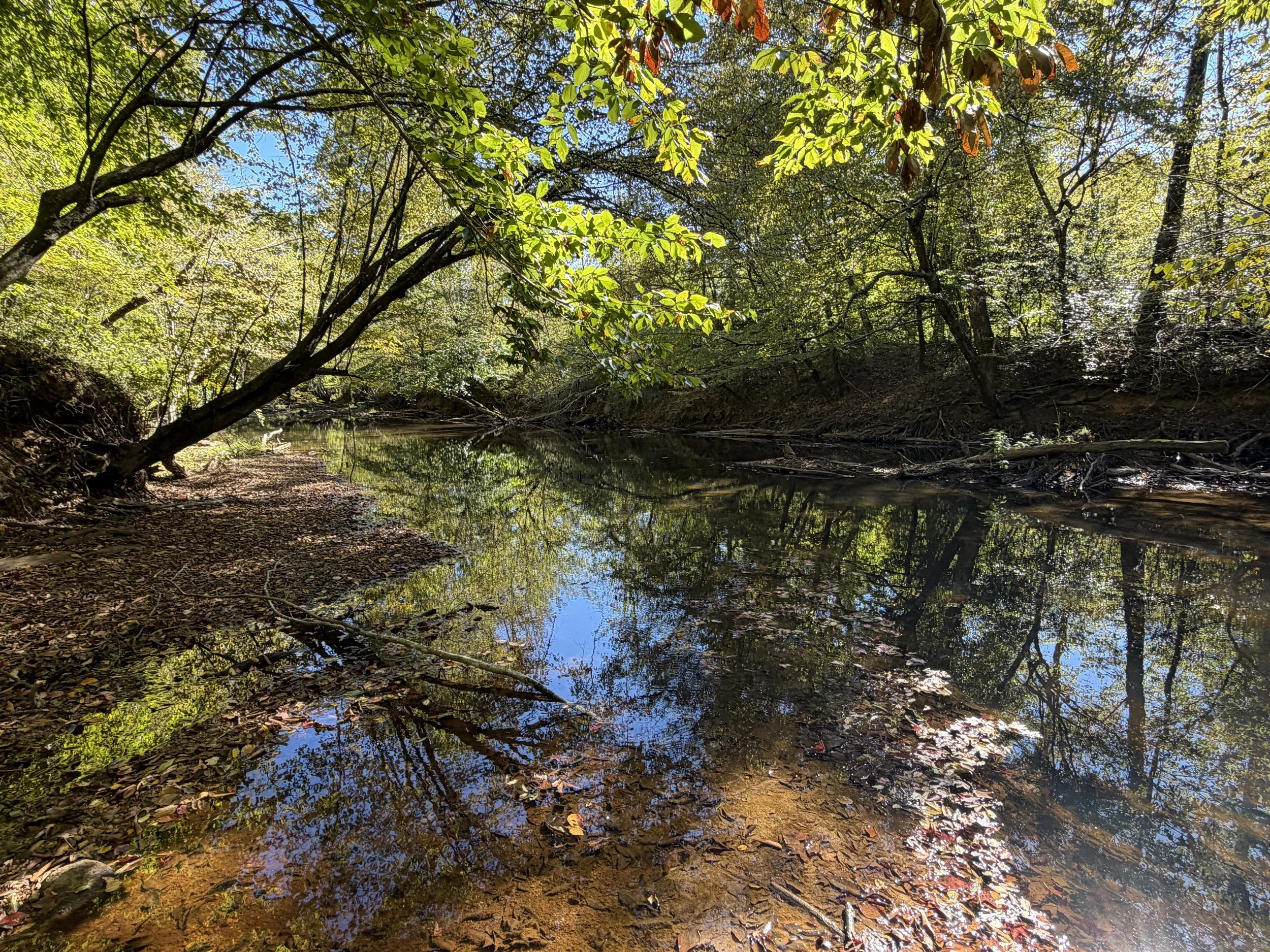
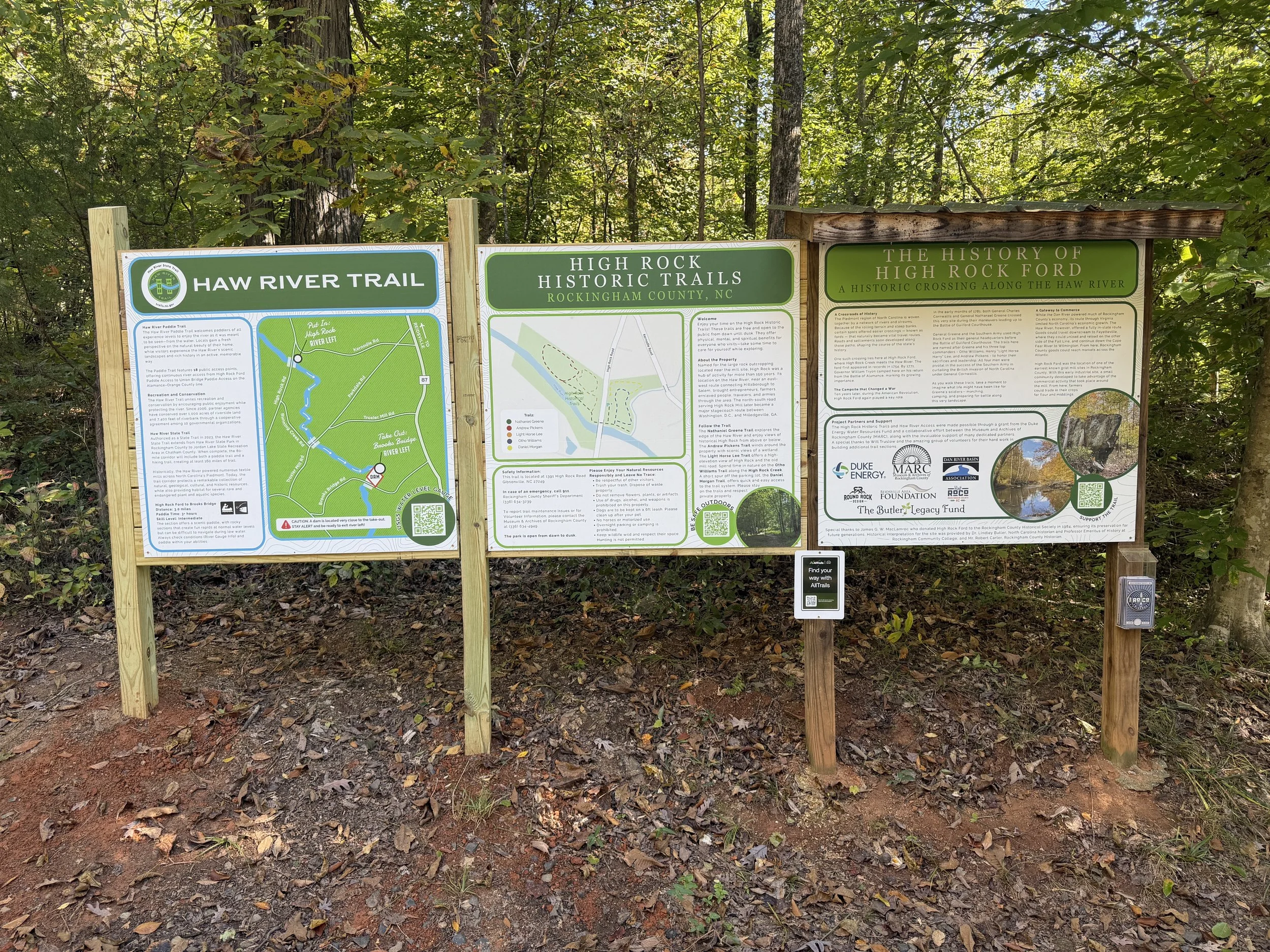
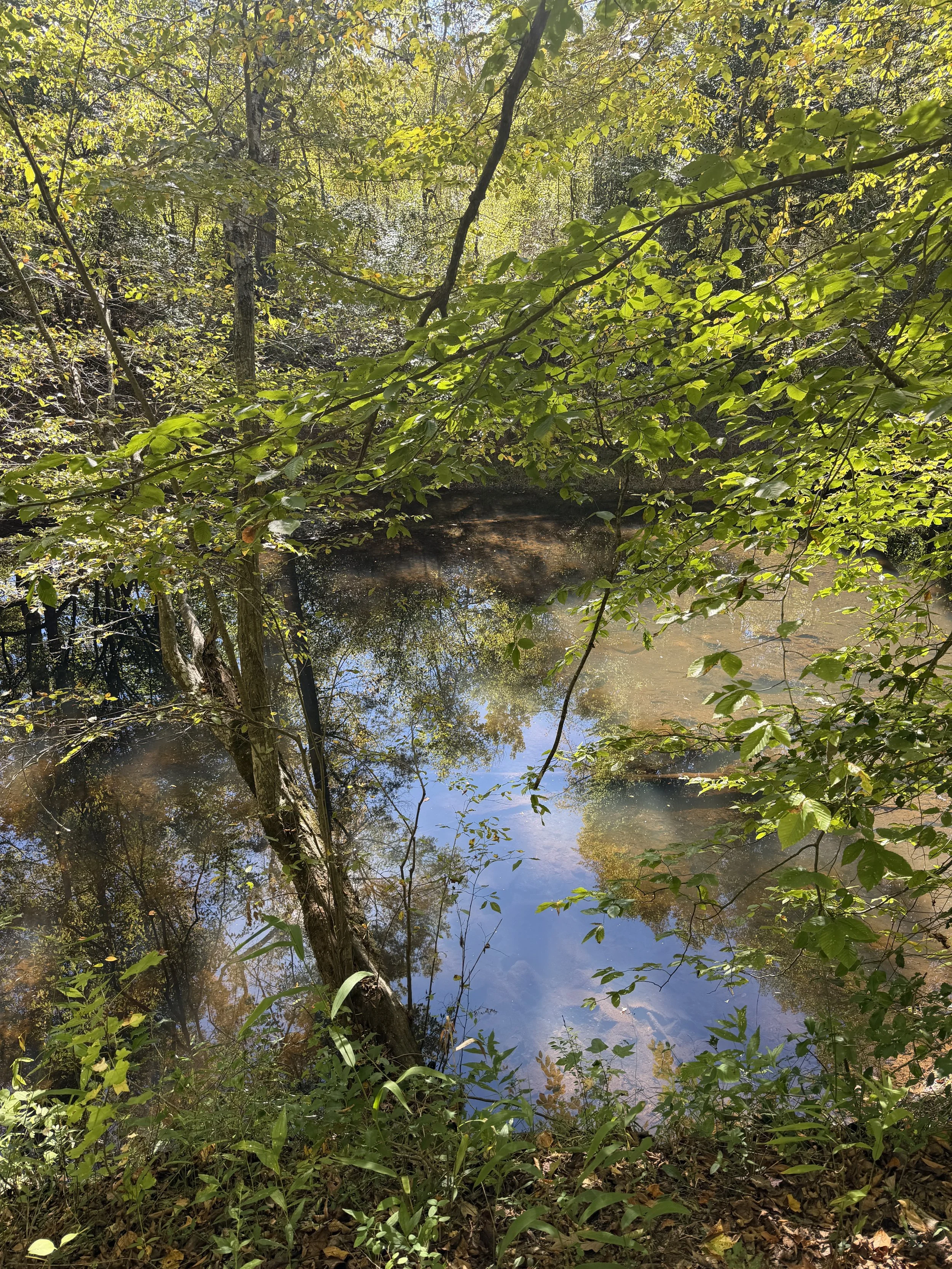
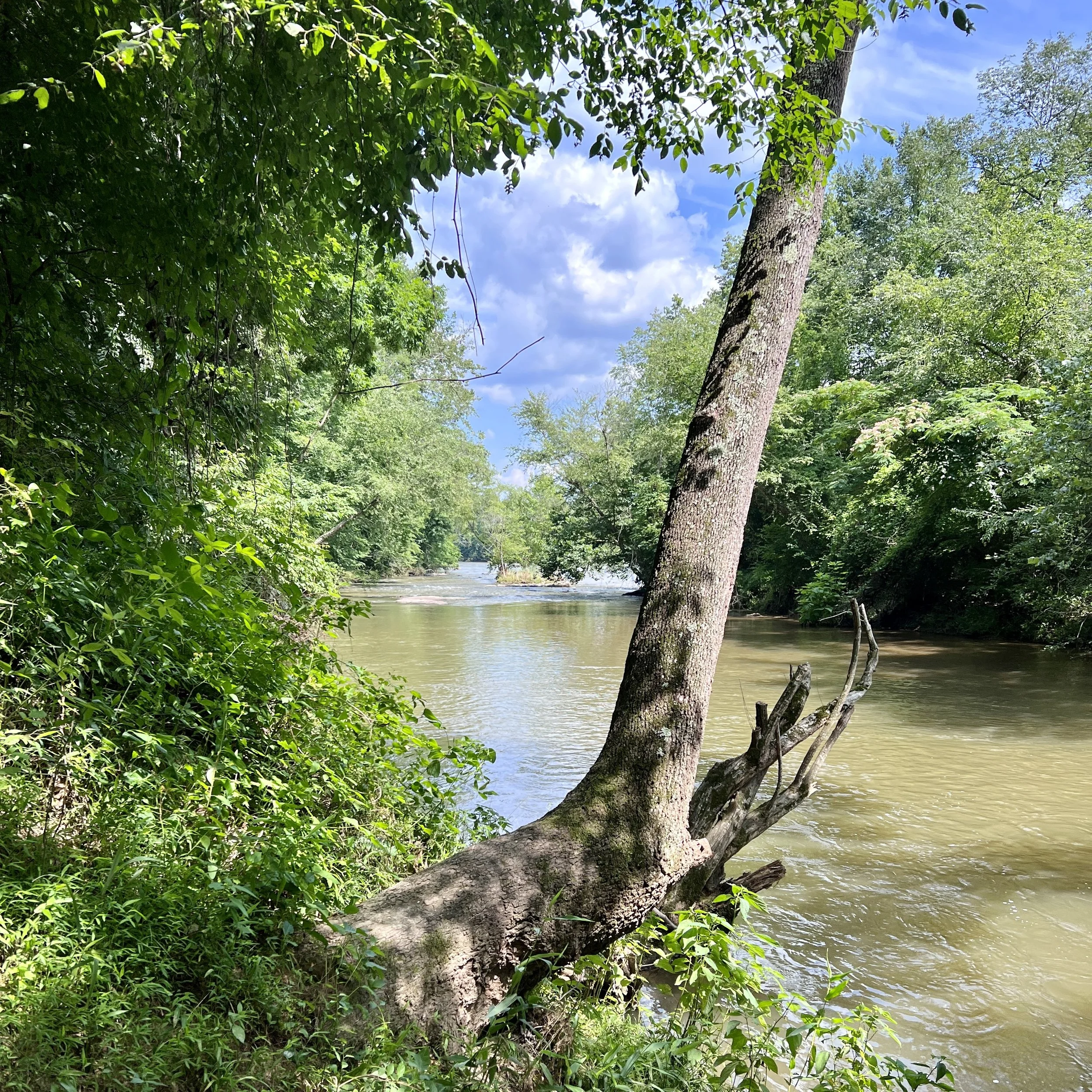
It is profoundly grounding to walk a trail where you know an entire army once stood. Tucked away in Gibsonville, North Carolina, the High Rock Ford Historic Trail is a hidden gem managed by the Museum and Archives of Rockingham County (MARC). It runs along the upper Haw River and several quiet branches, cutting through a landscape rich with ecological beauty and early American history.
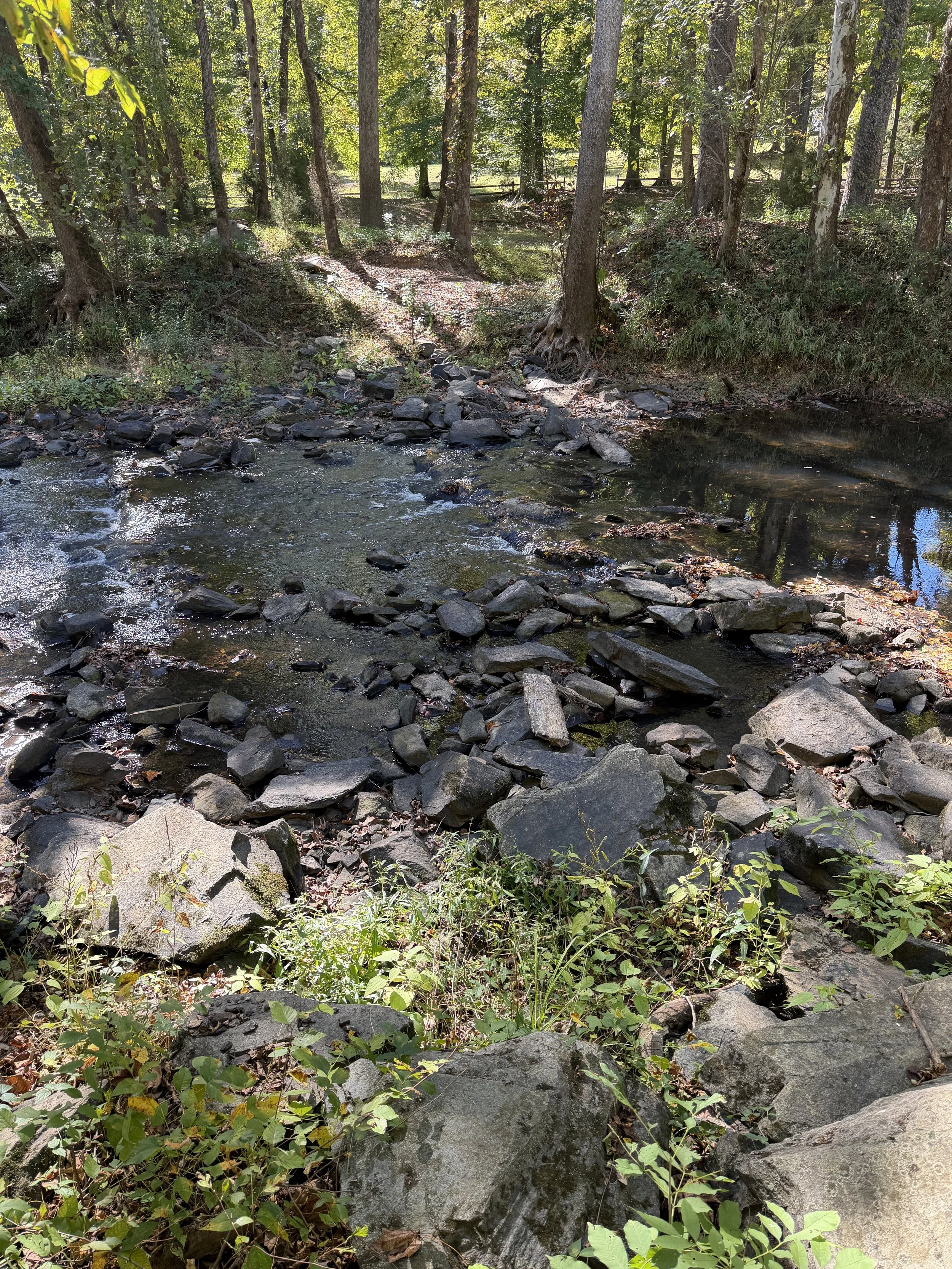
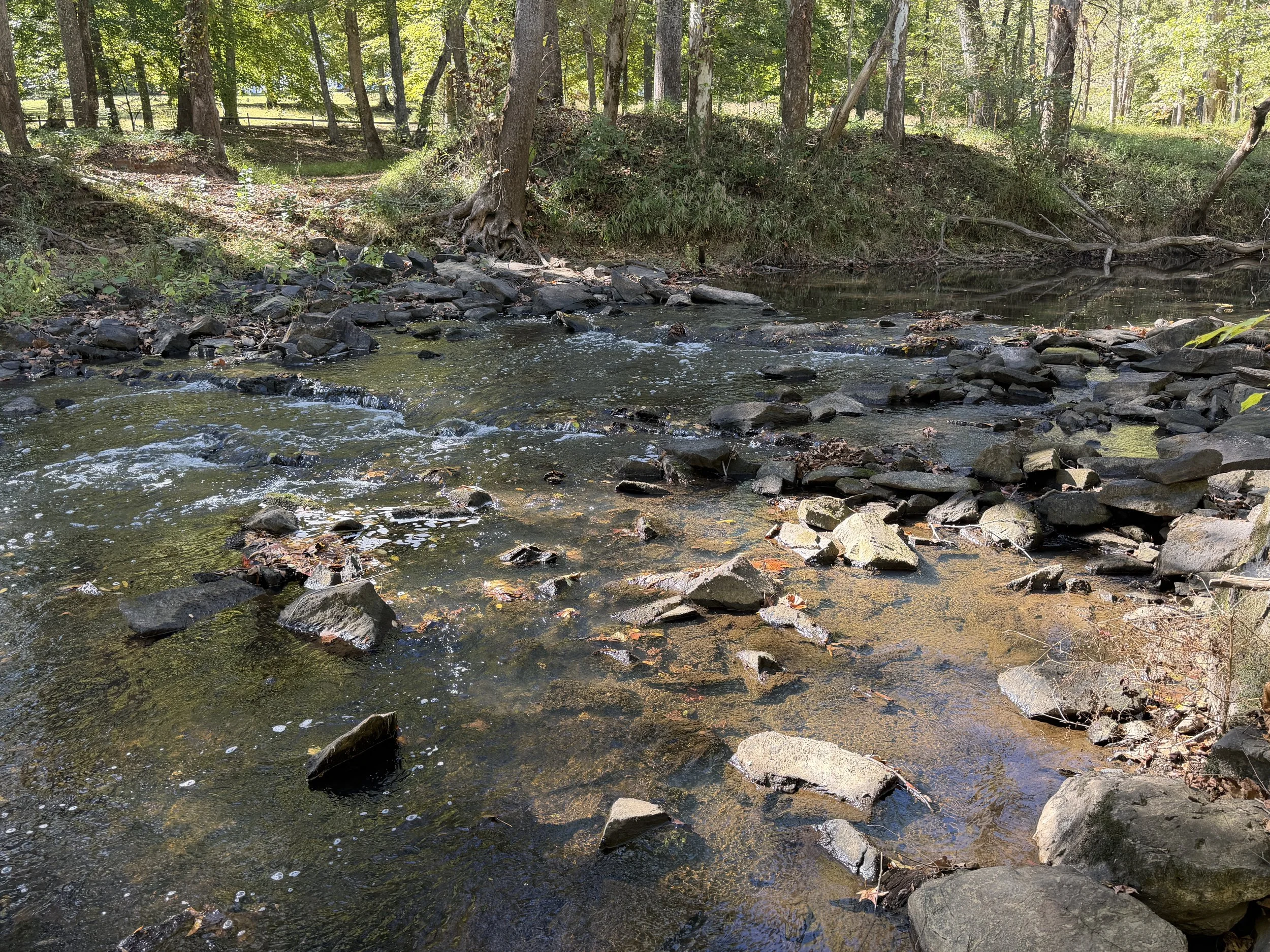
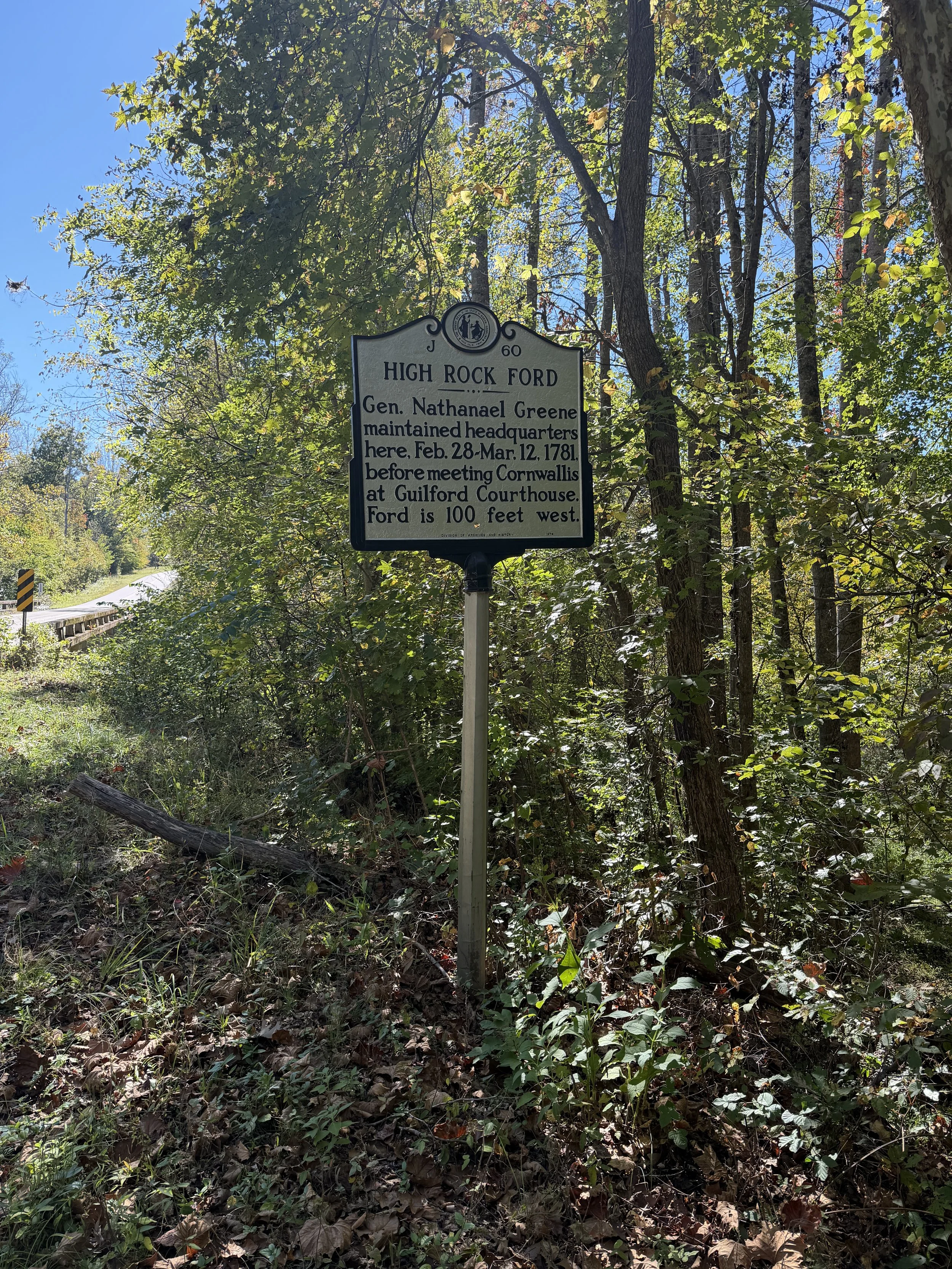
Long before modern bridges spanned these waters, a natural, shallow crossing point known as a "ford" served as a critical lifeline for travelers, livestock, and heavily laden wagons. During the Revolutionary War, this strategic location evolved into a crucial staging ground, serving as a colonial army camp and the headquarters for General Nathanael Greene. Walking along the quiet banks today, it is wild to imagine the sheer logistics and historical weight of the soldiers who once slept right where we hike.
Walking among the ruins of early commerce
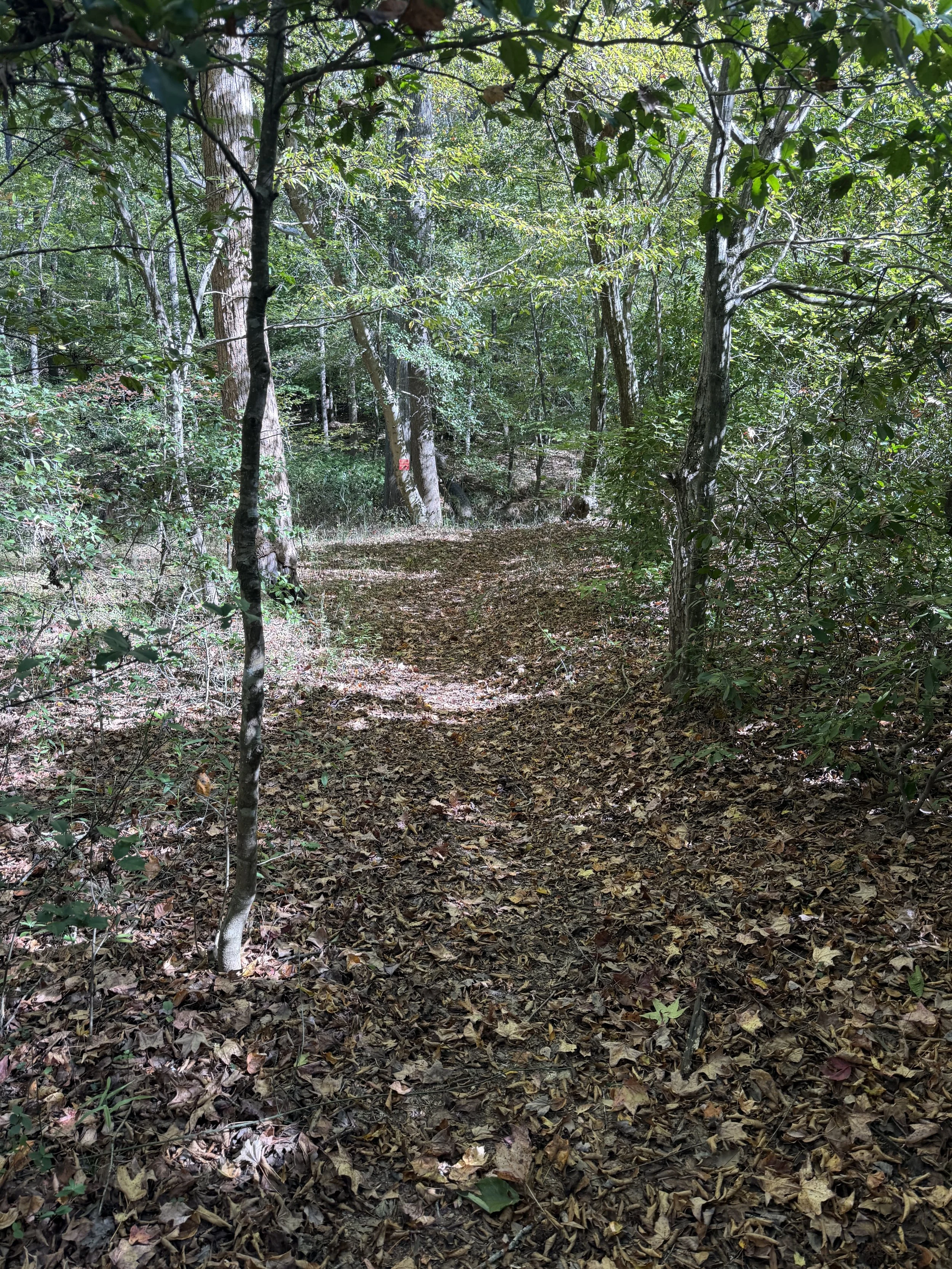
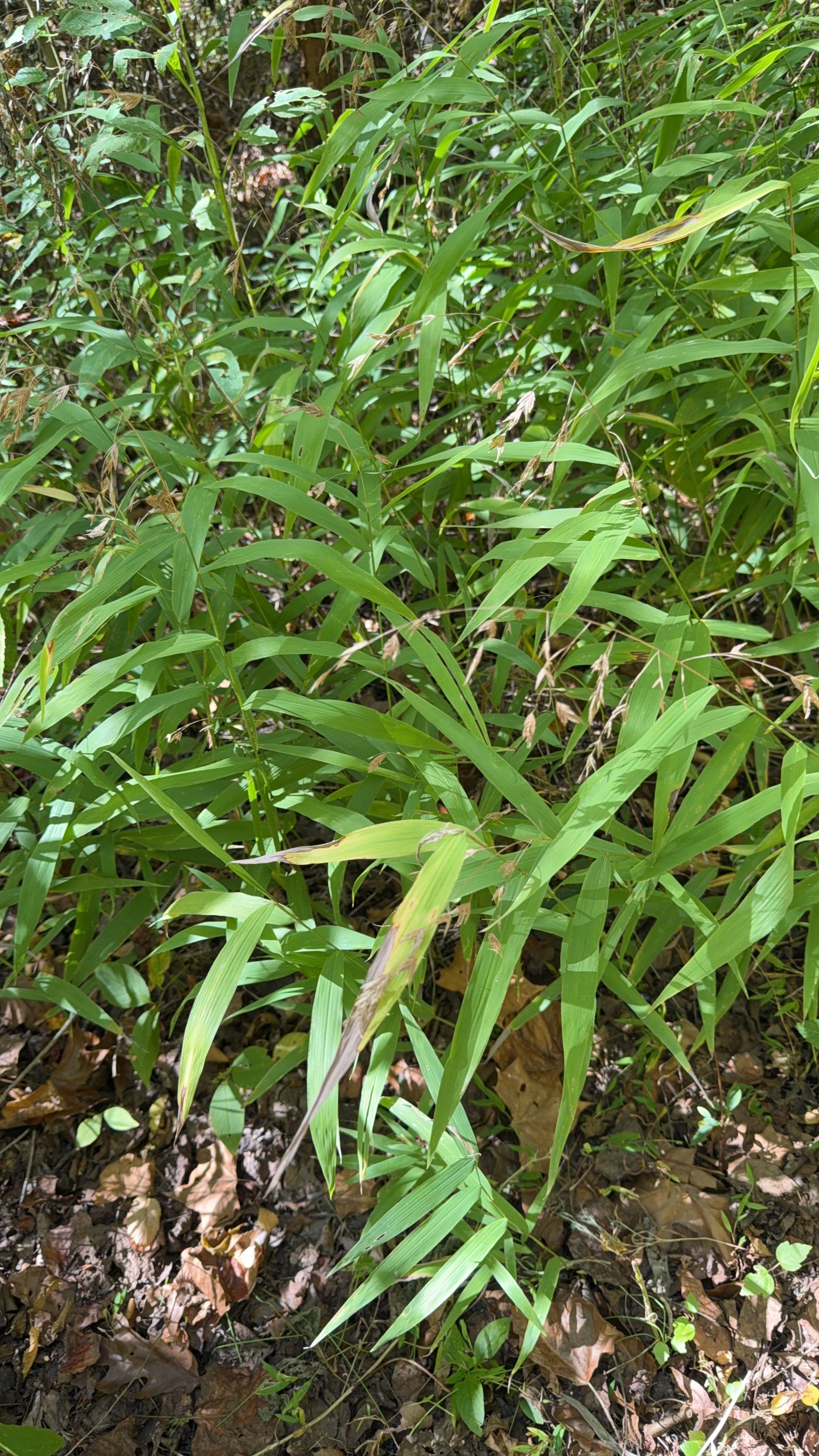
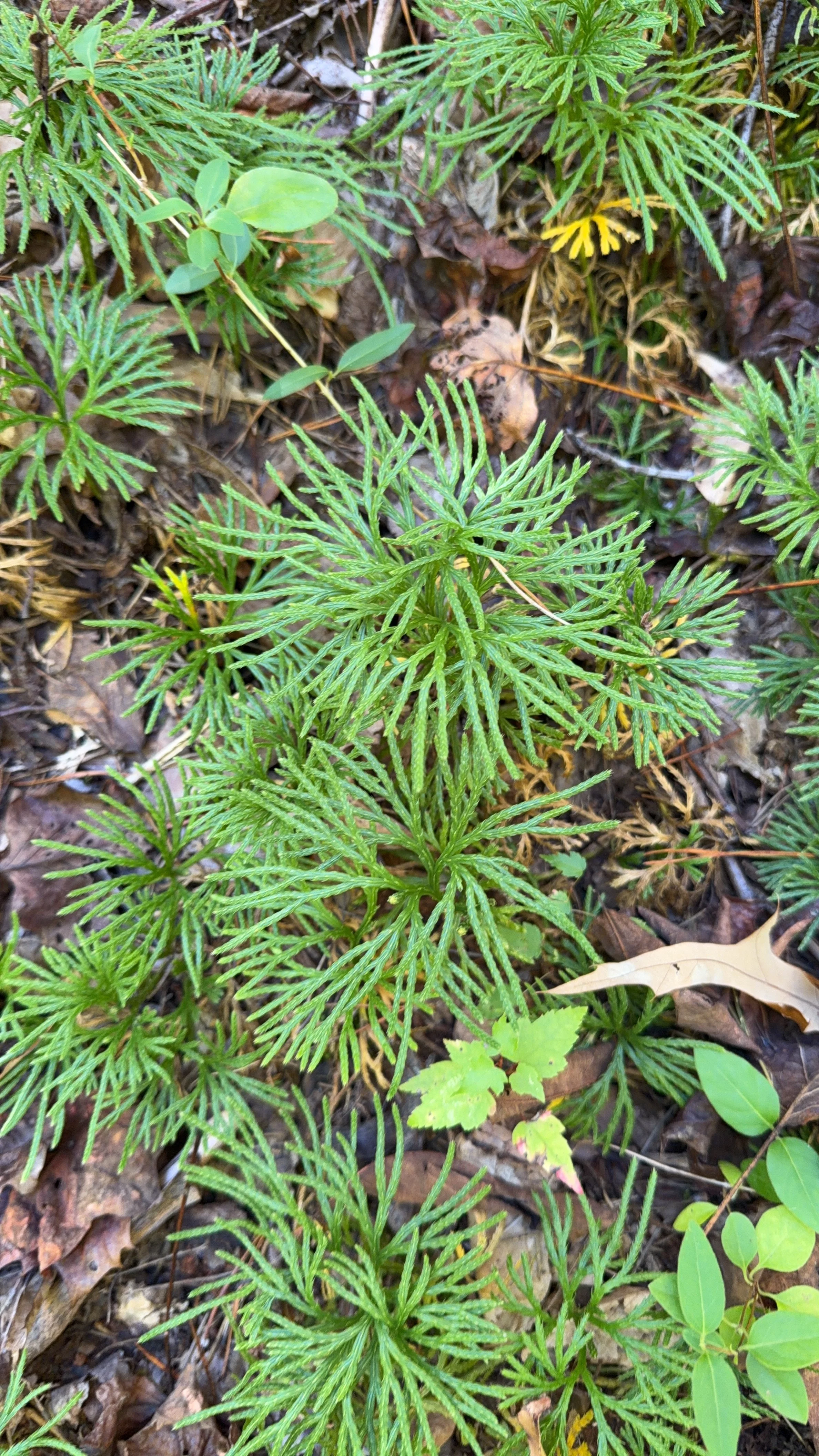
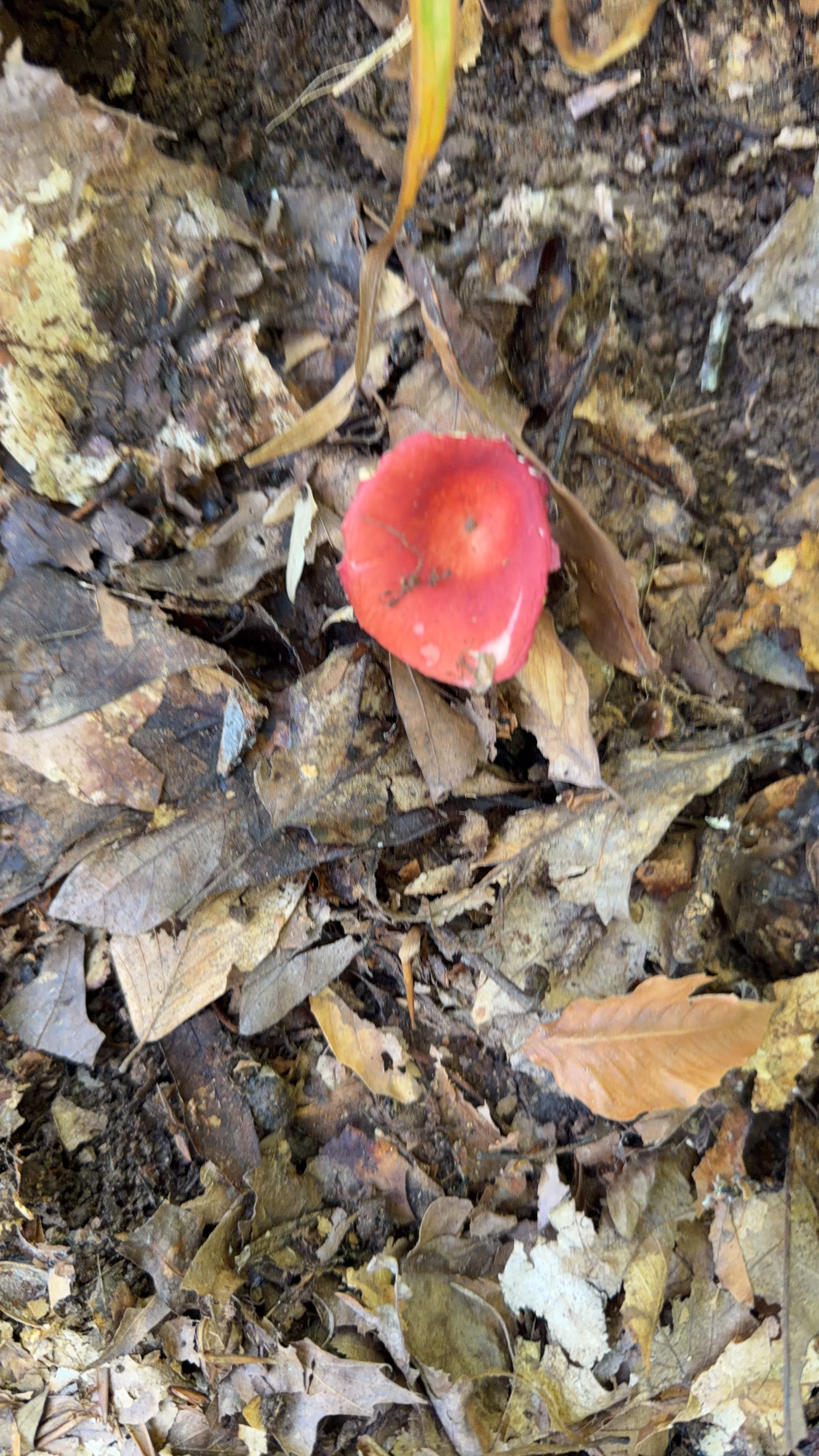
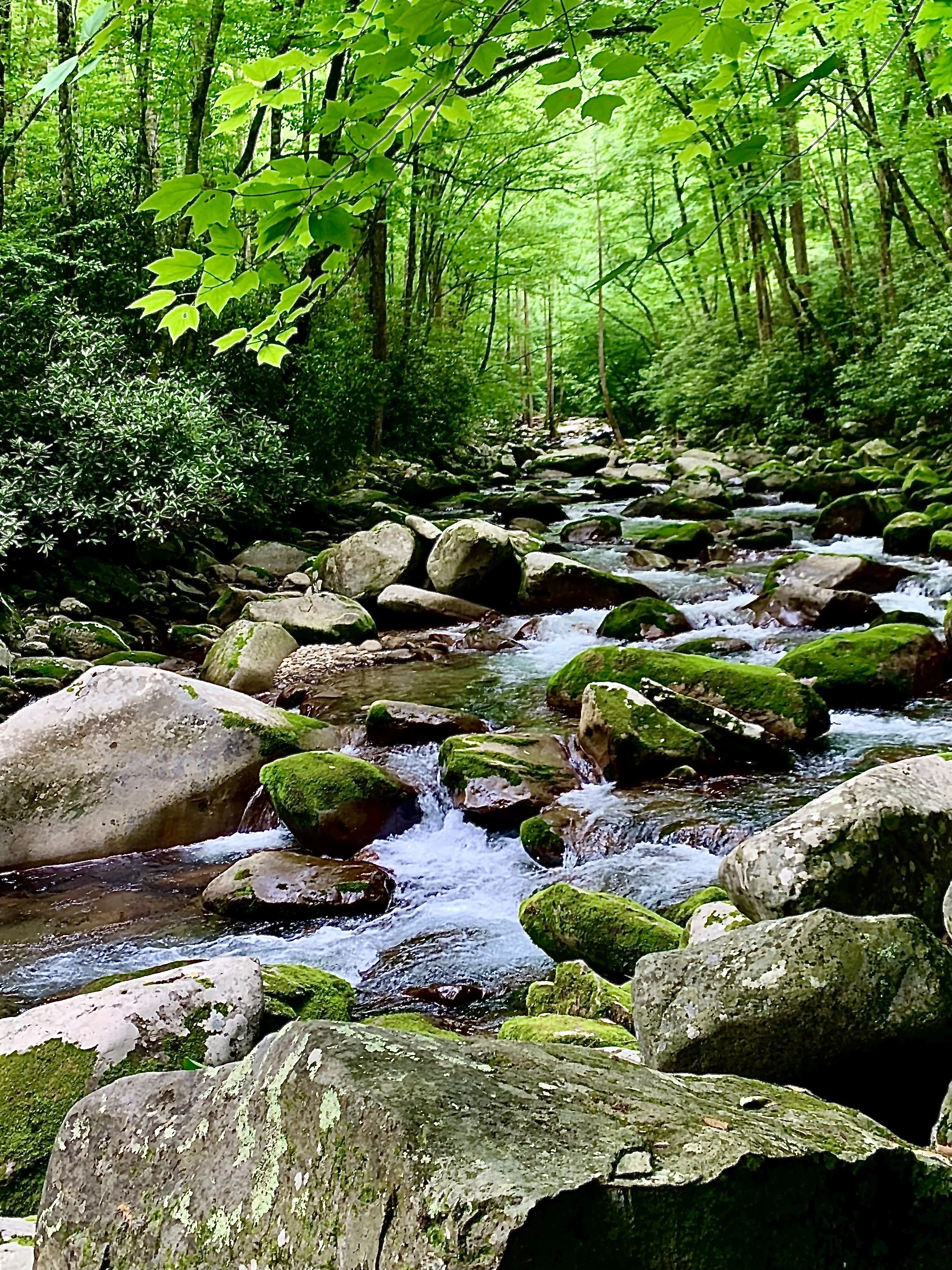
As you make your way down the dirt-packed trail, you will find yourself surrounded by a towering canopy of American beech trees, sweet gums, oaks, maples, and tulip poplars. The forest floor is carpeted in leaves, vibrant ferns, and sprawling patches of fan clubmoss. Keep your eyes peeled as you move over the slight undulations—this area is a haven for fungi, and you can easily spot frost bolette mushrooms and shelf mushrooms growing along old fallen logs.
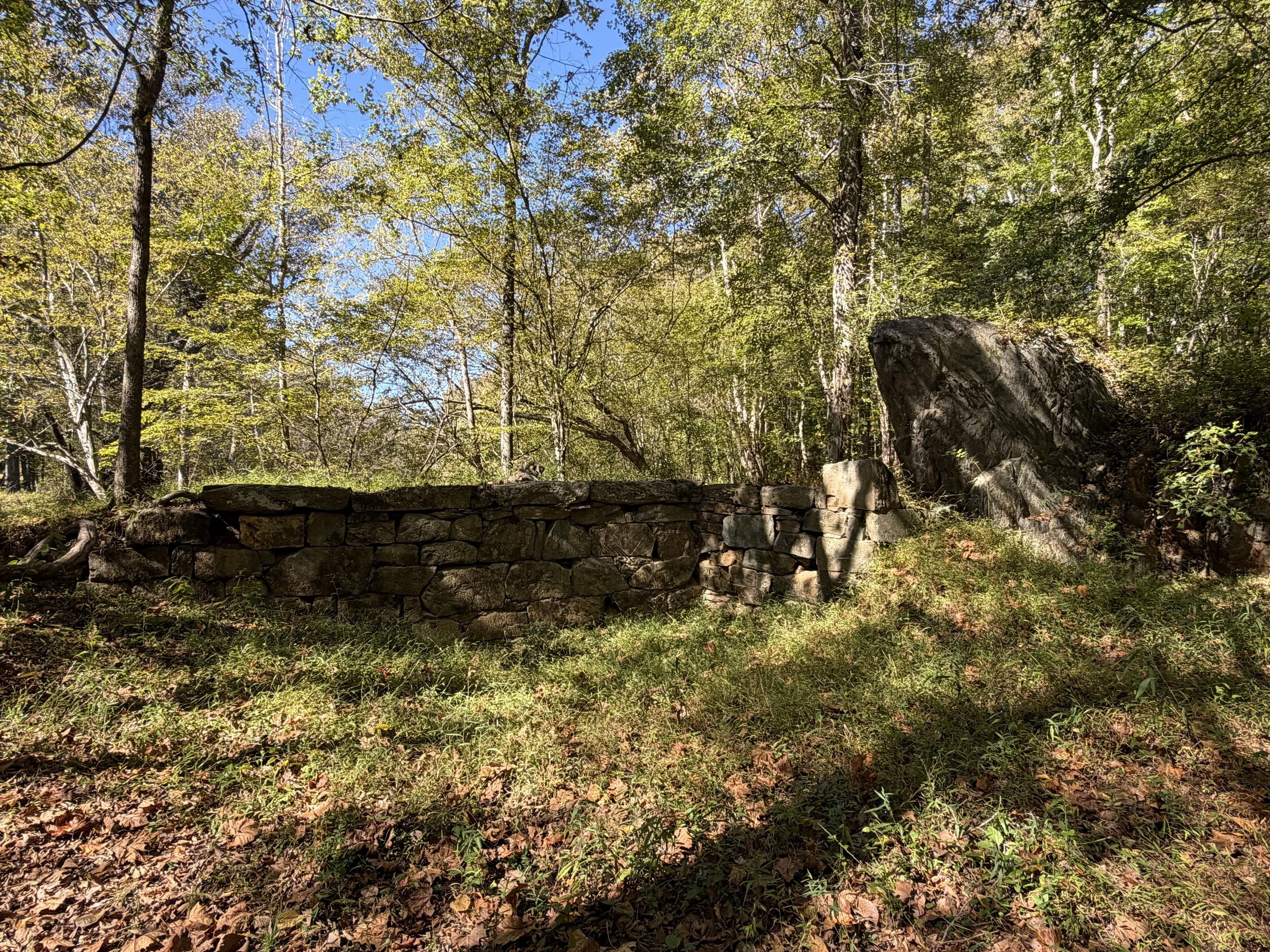
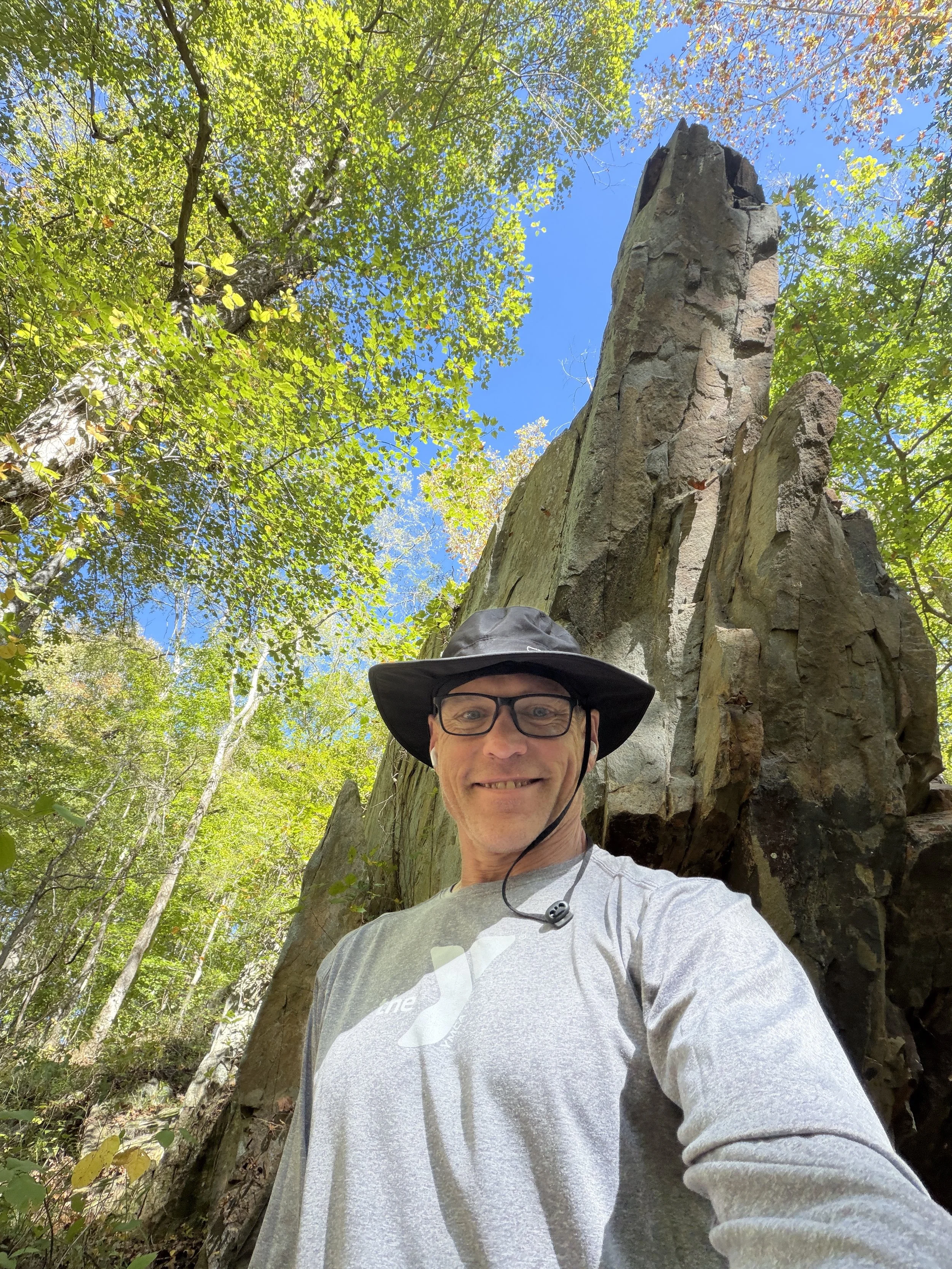
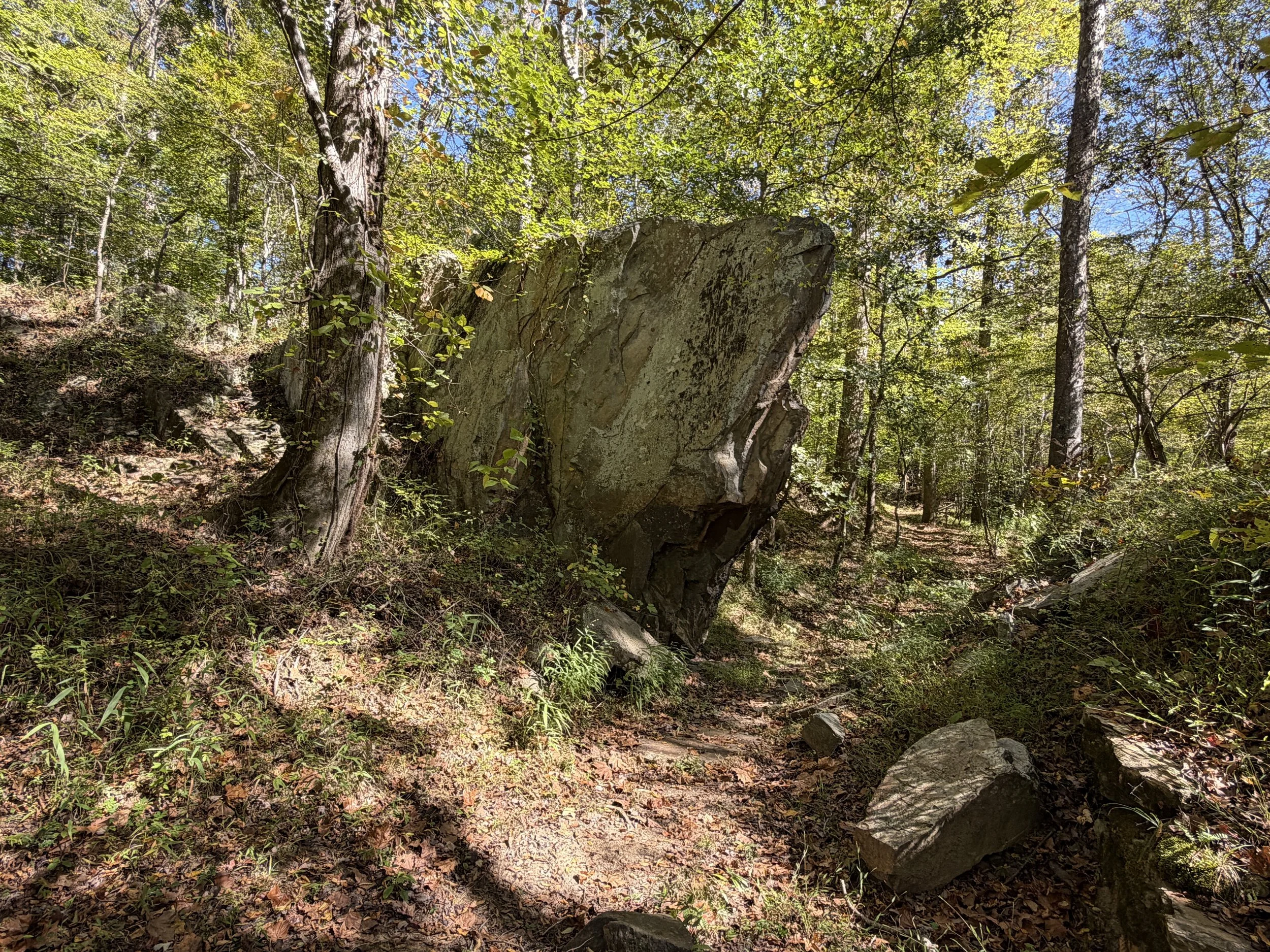
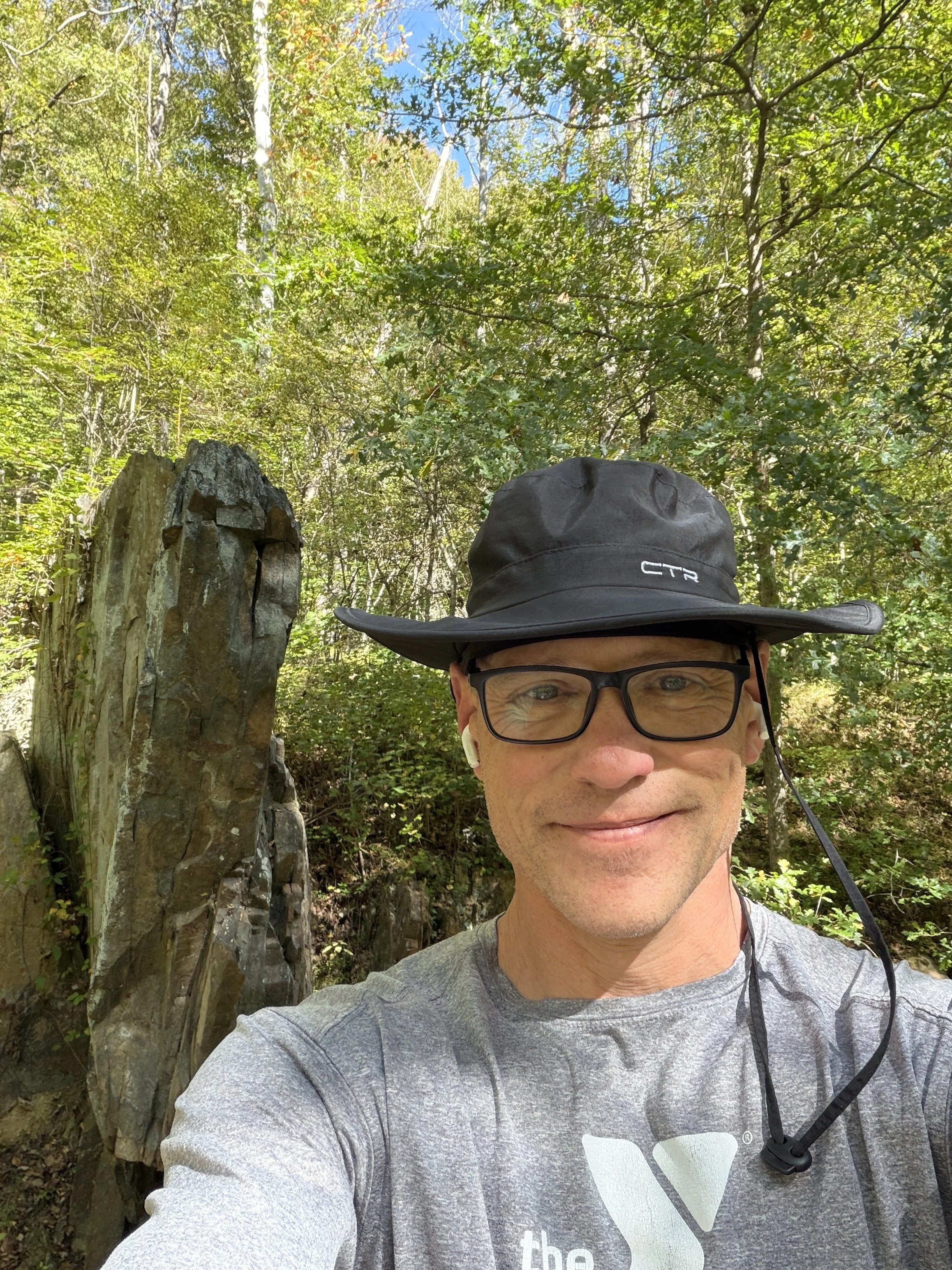
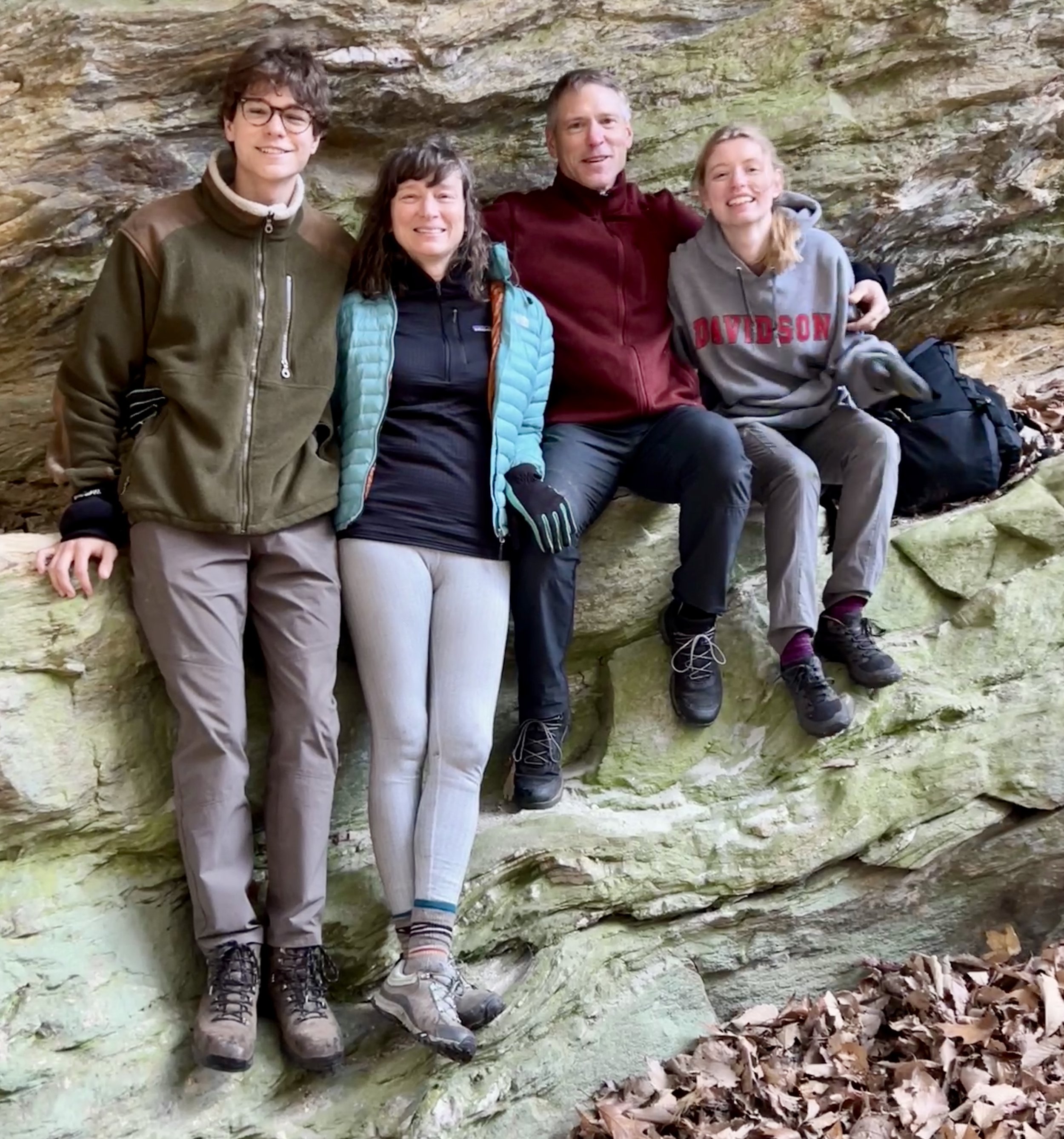
The primary highlight of the trek is the site of the High Rock Tub Mill. Built in 1753 by an entrepreneur named Aaron Pinson, this water-powered gristmill transformed a quiet river crossing into a bustling commercial hub. Local farmers traveled for miles around to grind their grain here. Later, it became a literal lifeline for the troops, supplying them with essential provisions before they marched off into battle. Today, you can step close to the historic stone ruins, run your hands along the massive rock outcroppings, and look out over the shallow water where the mill once churned.
A rugged path with a peaceful finish
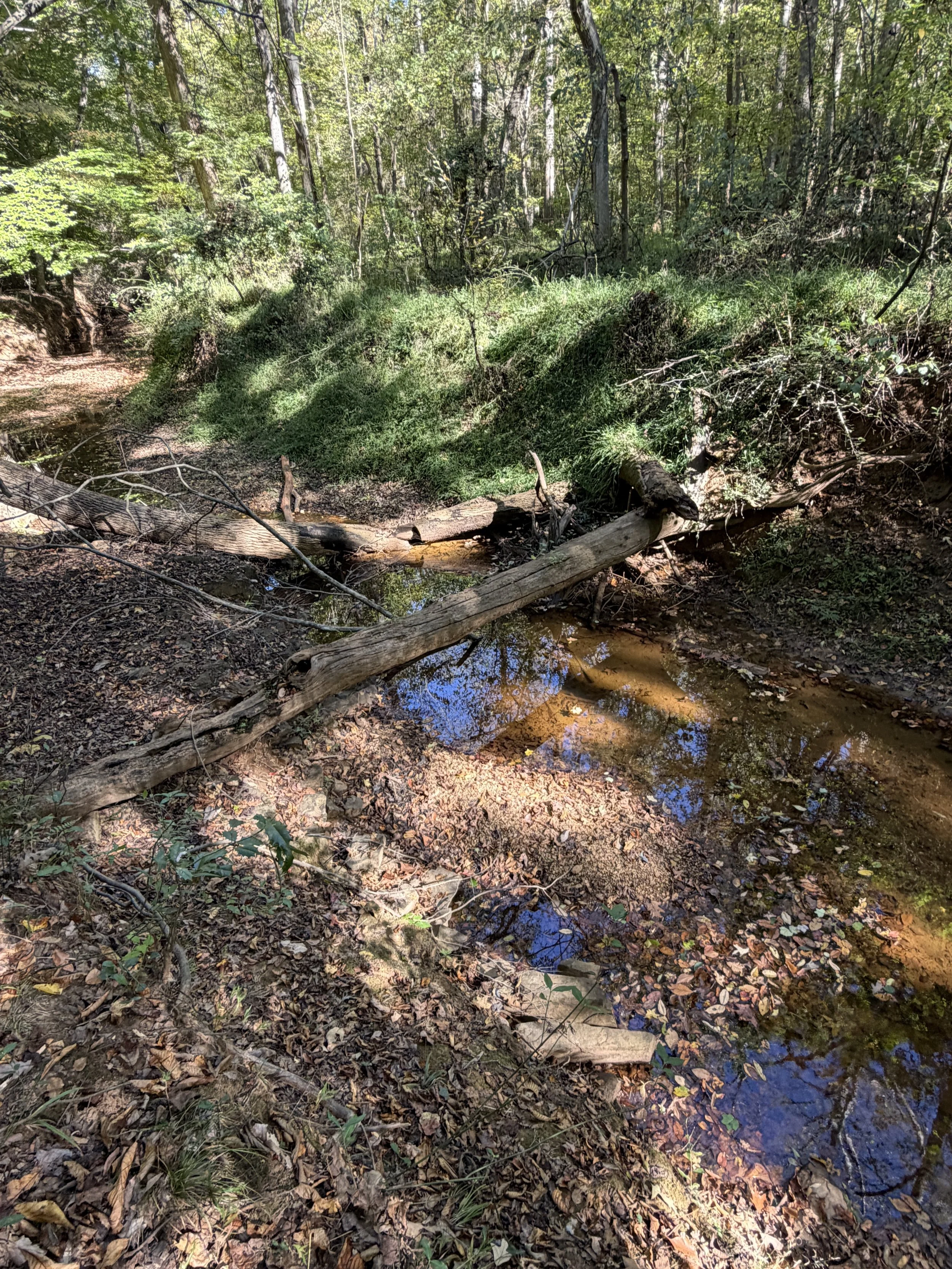
While the trail is relatively short, it keeps you on your toes with rocky and sandy dirt paths, a few dry creek beds, and short switchbacks. Downed trees across the path add a touch of authentic woods navigation, though you will want to keep a careful eye out for poison ivy along the edges. The trail is closely bordered by private properties, so it is important to stay on the marked path—though we can all appreciate the generous local property owner who explicitly grants public access to keep this historical loop connected.
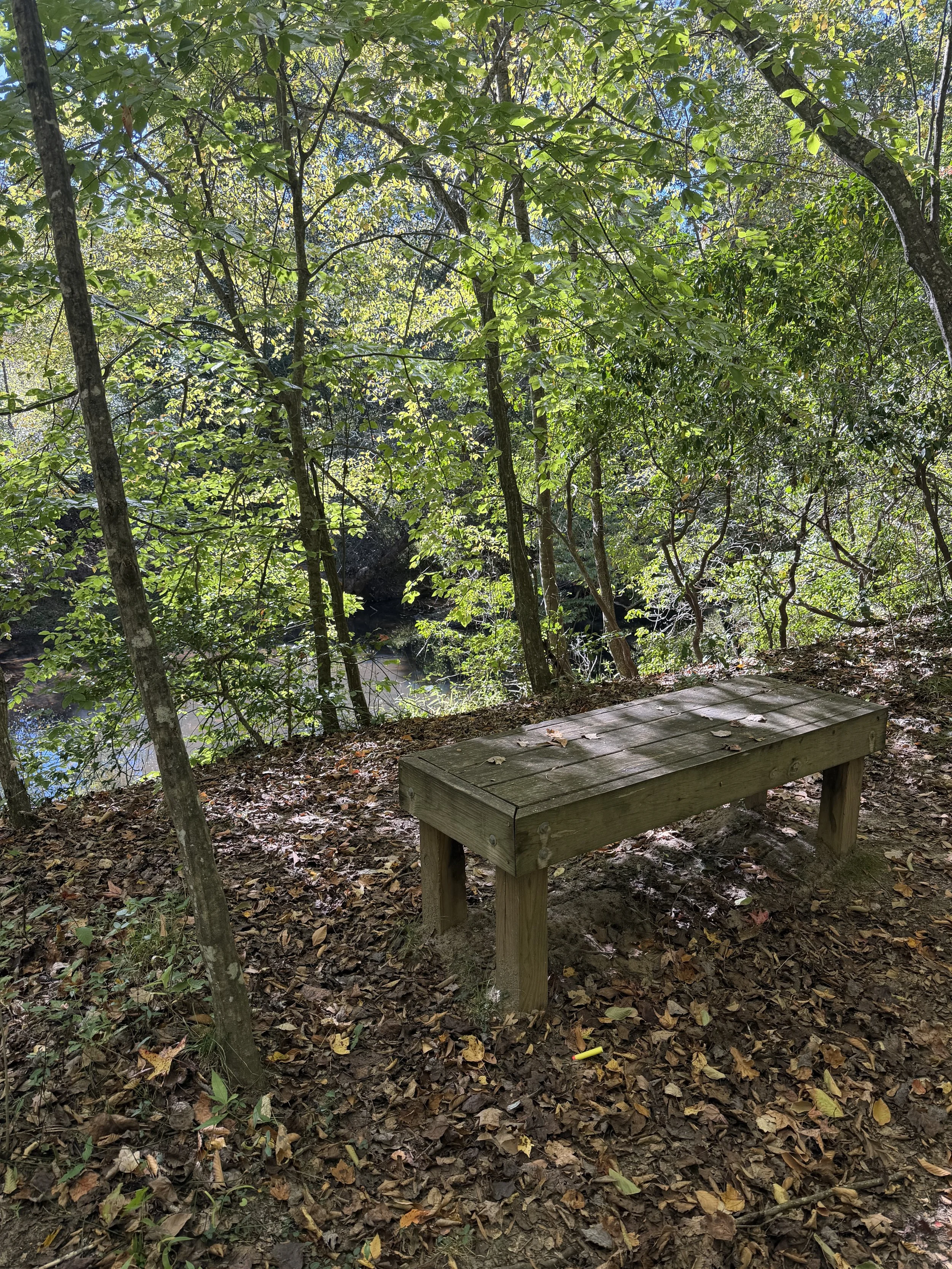
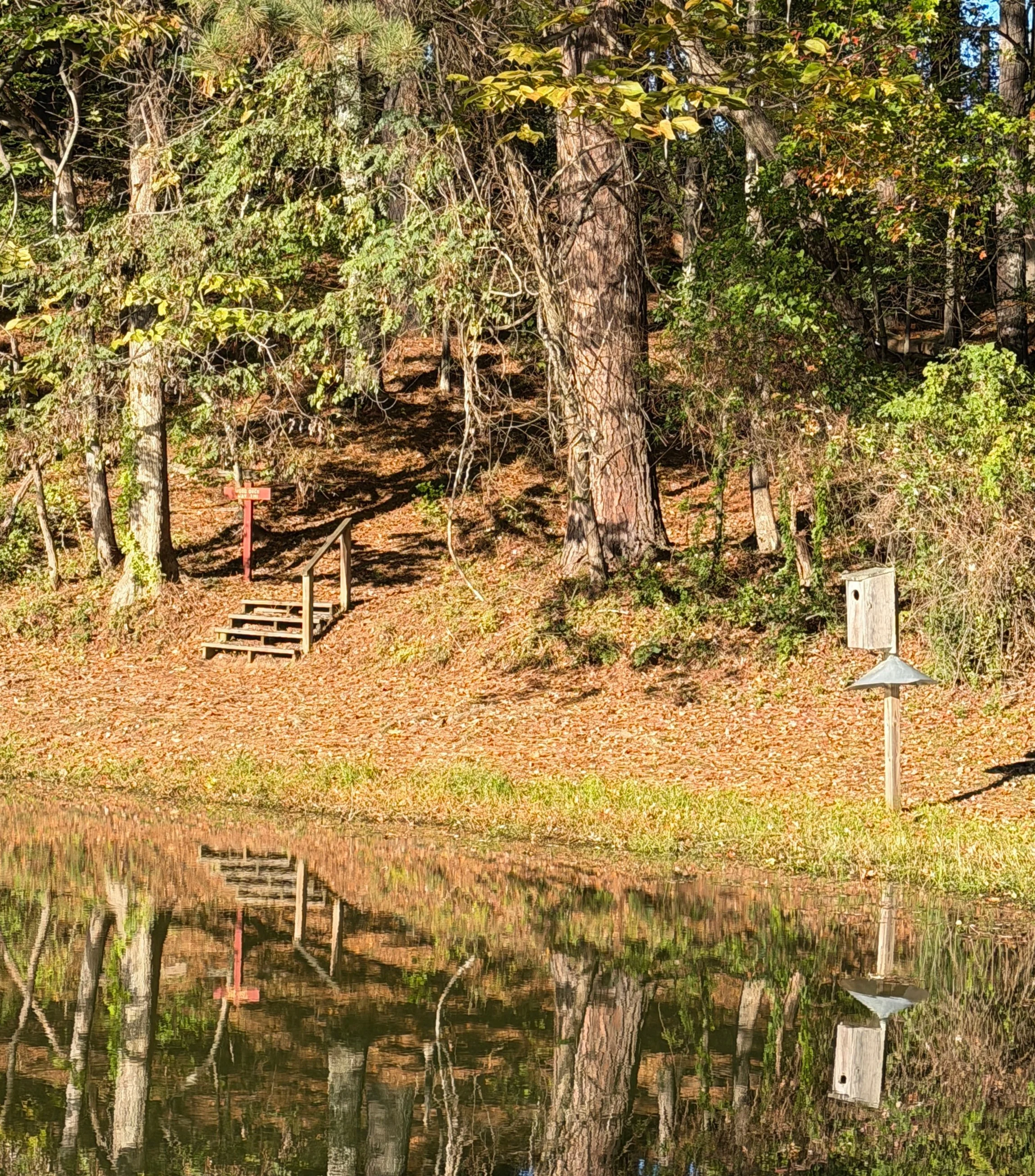
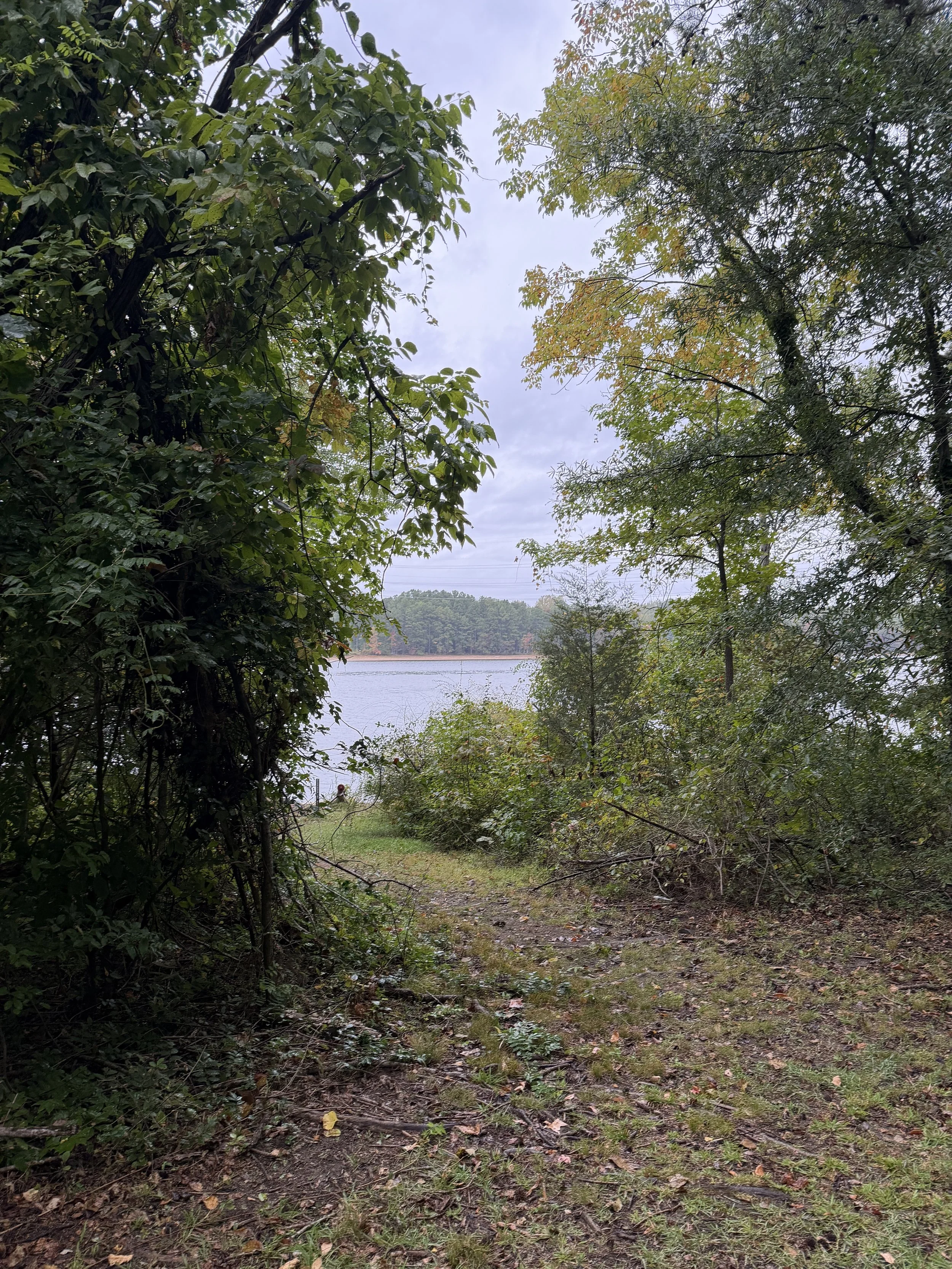
Informational signs and educational markers are spaced along the way, detailing everything from early commerce to local ecology, making it a fantastic educational walk. If you need a moment to just take it all in, there is a perfect bench along a rustling brook to sit, relax, and listen to the water. At the end of the trail near the small gravel parking lot, there is an established public launch point for canoes, kayaks, and tubes, making it an ideal spot to plan a return trip on the water. Local TV station Fox 8 even did a featured story on this historic trail recently, and it is easy to see why this peaceful, historic forest stands out.
Hike Summary:
Historic Ruins: Explore the standing ruins of the 1753 High Rock gristmill and imagine life at the Revolutionary War colonial camp headquarters.
River Views: Follows a beautiful route directly along the upper Haw River, complete with a gravel kayak, canoe, and tube launch.
Rich Flora & Fauna: Highlights include old-growth American beech trees, sweet gums, lush ferns, fan clubmoss, sassafras, and unique frost bolette mushrooms.
Trail Conditions: A scenic 2-mile packed dirt trail that features short switchbacks, rock outcroppings, and dry creek beds, though it can get overgrown in the peak summer seasons.







Over the ford and through the hills we go